Haircare
Hair Oiling 101: The Right Way, Backed by Science
Only one common oil reliably penetrates the hair shaft and reduces protein loss. Here is which one, how long it needs, and why most people are oiling the wrong part.
Haircare
Only one common oil reliably penetrates the hair shaft and reduces protein loss. Here is which one, how long it needs, and why most people are oiling the wrong part.
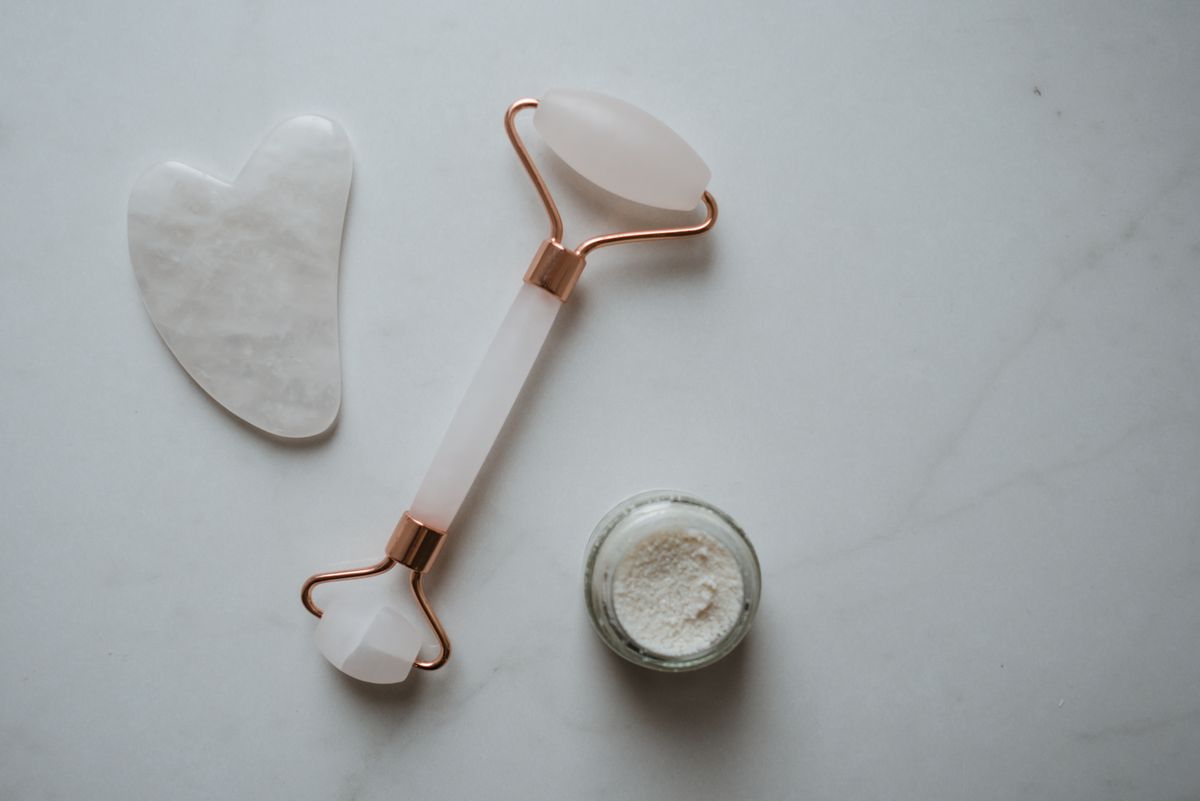
Coconut oil is the only widely available oil shown in published research to significantly reduce protein loss from hair, because its main fatty acid — lauric acid — is straight-chained and small enough to penetrate the hair shaft. Most other oils, including argan and olive, coat the surface rather than entering it.
Apply it to the mid-lengths and ends as a pre-wash treatment, leave it for a minimum of one to two hours, and only massage the scalp if you tend toward dryness rather than oiliness. Overnight is optional and no more effective than two hours for the shaft itself.
Hair oiling is one of the few beauty traditions where the folk practice and the laboratory data broadly agree — with one significant caveat that most guides omit. The research is quite specific about which oil does what, and a great deal of what gets recommended does not survive contact with it.
The key study, published in the Journal of Cosmetic Science in 2003 by Rele and Mohile, compared coconut, sunflower and mineral oils applied to hair before and after washing, and measured protein loss. Coconut oil reduced protein loss substantially in undamaged, bleached, UV-exposed and chemically treated hair. Sunflower and mineral oil did not.
Hair is roughly 90% keratin protein, wrapped in overlapping cuticle scales. Damage — from bleaching, heat, UV, friction and repeated wetting — lifts those scales and allows protein to wash away. Once lost, it does not come back; hair is not living tissue and cannot repair itself.
For an oil to protect against that loss, it has to get inside. Three properties determine whether it can: molecular size, chain shape, and affinity for protein.
Lauric acid, which makes up roughly half of coconut oil, scores well on all three. It is a medium-chain fatty acid with a straight, unbranched structure and a low molecular weight, and it binds readily to hair protein. It diffuses into the cortex, where it occupies space that water would otherwise fill.
Compare that to oleic acid, the dominant fatty acid in olive and argan oil. Oleic acid is longer and has a kink in its chain from a double bond, which makes it bulkier and much slower to diffuse. Mineral oil is a hydrocarbon with no affinity for protein at all — it is an excellent surface conditioner and a non-event inside the shaft.
This does not make argan oil useless. It makes it a finishing oil rather than a treatment oil, and the distinction is worth keeping in mind when a bottle costs eight times as much.
Every time hair gets wet, it absorbs water and swells — by as much as 15 to 20% in diameter. As it dries, it contracts. Each cycle stresses the cuticle, and over years the cumulative effect is real: lifted scales, roughness, and increased breakage. This is hygral fatigue.
Coconut oil applied before washing reduces how much water the shaft takes up, because it is already occupying some of that internal space. This is the mechanism by which pre-wash oiling protects hair, and it is why the timing matters more than the quantity. Oil applied after washing conditions the surface; oil applied before washing changes what happens during the wash.
High-porosity hair — bleached, colour-treated, or naturally coarse and curly — swells more and benefits most.
The traditional practice of champi — vigorous scalp massage with warm oil — has clear benefits for some people and clear costs for others.
Oil your scalp if it feels tight, dry or itchy after washing, you live in a dry climate, you wash frequently with a strong surfactant, or you have simple dryness-related flaking.
Do not oil your scalp if you have seborrhoeic dermatitis or dandruff, an oily scalp, or fungal acne along the hairline. Malassezia, the yeast implicated in seborrhoeic dermatitis, metabolises fatty acids with chain lengths between 11 and 24 carbons — which includes most plant oils. Oiling can feed it and worsen flaking, which is a common and frustrating outcome for people who were told oiling would fix their flakes.
If you have dandruff and want the massage without the risk, mineral oil is the safer choice: Malassezia cannot metabolise it. Squalane is another reasonable option.
The massage itself is worth doing regardless of the oil. There is some evidence that regular standardised scalp massage increases hair thickness over months, plausibly through mechanical stimulation of dermal papilla cells. It is not dramatic, but it is free.
Slightly damp hair takes up oil better than bone-dry hair, because the shaft has begun to swell and the cuticle has lifted marginally. Fully saturated hair, on the other hand, resists oil uptake — the internal space is already full of water. Towel-dry until it stops dripping.
Rub it between your palms or stand the jar in hot water for a few minutes. Warm oil is less viscous, spreads further, and diffuses faster. Do not microwave it — uneven heating produces hot spots, and this is a genuinely effective way to burn your scalp.
Shoulder-length hair needs roughly one to two tablespoons. Fine hair needs less. The common failure mode is saturating the hair, which does not increase penetration — diffusion depends on contact and time, not volume — and makes the oil far harder to wash out, which usually leads to over-shampooing and undoes the benefit.
The ends of long hair may be four or five years old and have survived hundreds of washes, brushes and heat exposures. That is where the damage is. The first few centimetres from the scalp are new, undamaged and already coated in sebum.
Penetration studies suggest most of the uptake happens within the first couple of hours. Overnight oiling is a scheduling convenience rather than an efficacy improvement, and for scalp-sensitive people the extended contact carries some risk of irritation. Cover with a warm towel or cotton cap; gentle warmth helps.
This is where people go wrong. Apply shampoo directly to dry, oiled hair before adding water. Work it through, let the surfactants bind the oil, and only then rinse. Wetting first creates a water barrier that makes oil removal much harder and usually forces a second or third wash — each one stripping more than you wanted.
| Hair type | Best choice | Notes |
|---|---|---|
| Fine, low porosity | Light coconut oil, used sparingly, or squalane | Low-porosity hair resists uptake; use less oil and more heat. |
| Medium, normal | Coconut oil pre-wash | The standard case. Weekly is plenty. |
| Coarse, high porosity, curly | Coconut oil pre-wash, argan or jojoba after | Two-oil approach: one to protect, one to seal and add slip. |
| Bleached or chemically treated | Coconut oil, twice weekly | Highest protein loss, therefore the biggest benefit. |
| Oily scalp | Coconut oil on lengths only | Nothing above the ears. |
| Dandruff or seborrhoeic dermatitis | Mineral oil or squalane if oiling the scalp | Avoid plant oils on the scalp; they can feed Malassezia. |
| Protein-sensitive hair | Coconut oil is fine | Coconut oil is not a protein treatment; the concern does not apply. |
"Oiling makes hair grow faster." Growth rate is determined at the follicle by genetics, hormones, nutrition and health. No topical oil has been shown to increase it. What oiling does is reduce breakage, so you retain the length you grow — which is genuinely valuable, and often mistaken for faster growth.
"Oiling prevents grey hair." Greying is the progressive loss of melanocyte function in the follicle. Oil does not touch that mechanism.
"Leaving oil in overnight is much better." Diffusion largely completes within the first hours. Overnight is fine if it suits your schedule; it is not a superior protocol.
"Any oil works, they are all natural." This is the claim the research most directly contradicts. Sunflower oil and mineral oil were measured in the same study as coconut oil and did not reduce protein loss. Chemistry, not naturalness, determines whether an oil penetrates.
Once a week, two hours before you plan to wash: warm coconut oil, apply from mid-length to ends, massage the scalp only if it is dry, wrap in a warm towel, then shampoo directly onto the oiled hair before wetting.
That is the whole thing. It costs almost nothing, takes ten minutes of active time, and it is one of the few haircare interventions with clean published data behind it.
Coconut oil has the strongest evidence for reducing protein loss, because lauric acid has a high affinity for hair protein and a straight chain small enough to diffuse into the shaft. Mineral oil and sunflower oil largely remain on the surface. Argan oil conditions and adds shine but has limited evidence for penetration. Choose coconut for damage prevention and lighter oils for finish and slip.
It depends on your scalp. Dry, tight or flaky scalps benefit from massage with a light oil. Oily scalps and anyone prone to seborrhoeic dermatitis should keep oil off the scalp entirely, since Malassezia yeast feeds on certain fatty acids and oiling can worsen flaking. The lengths and ends benefit in almost everyone.
One to two hours is sufficient for coconut oil to penetrate meaningfully. Longer does not add much for the shaft, and overnight oiling mainly serves convenience. Leaving oil in for very long periods without washing can contribute to scalp irritation in susceptible people.
Not directly. No oil has been shown to increase the rate of hair growth from the follicle. What oiling does is reduce breakage, so hair retains its length rather than snapping off — which looks like faster growth. Scalp massage may modestly improve local circulation, but the evidence for growth is weak. Rosemary oil is the one exception with some comparative trial data against minoxidil, though the study quality is limited.
Applying a small amount of light oil to the ends daily is fine. Saturating the hair and scalp daily is not advisable, particularly if you are not washing daily, as it can lead to buildup, scalp irritation and dullness.
Damp hair, not soaking. Slightly damp hair swells and allows better diffusion, but hair fully saturated with water resists oil uptake because the internal spaces are already occupied. Towel-dry until it stops dripping, then apply.
The cumulative damage caused by hair repeatedly swelling as it absorbs water and shrinking as it dries. Each cycle stresses the cuticle. Coconut oil applied before washing reduces the amount of water the shaft takes up, which is one of the main mechanisms by which pre-wash oiling protects hair.
Medical disclaimer. This article is for general information and is not a substitute for personalised medical advice. If you have a diagnosed skin condition, are pregnant, or are using prescription treatments, speak to a dermatologist before changing your routine. Full disclaimer.